She Outperforms Him in the Classroom, So Why is she locked out of the Boardroom? What Morocco Is Teaching Me About Tradition, Progress, and the Real Case for Women’s Leadership
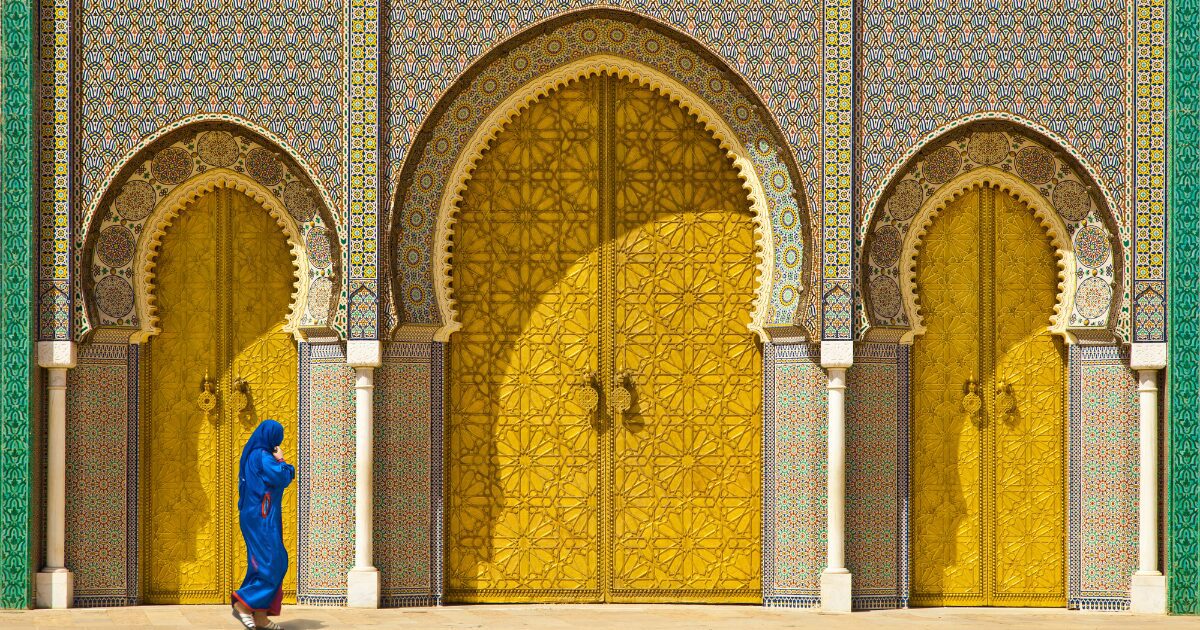

Morocco – the more I study its story and experience its culture, the more convinced I am it is one of the most important places on earth to watch right now — not because it is perfect, but because it sits, almost uniquely, at every intersection I care about: the literal doorway between Europe and Africa, a melting pot of Amazigh, Arab, African, and European influence, and a nation growing fast enough to be genuinely reshaping its place in the world.
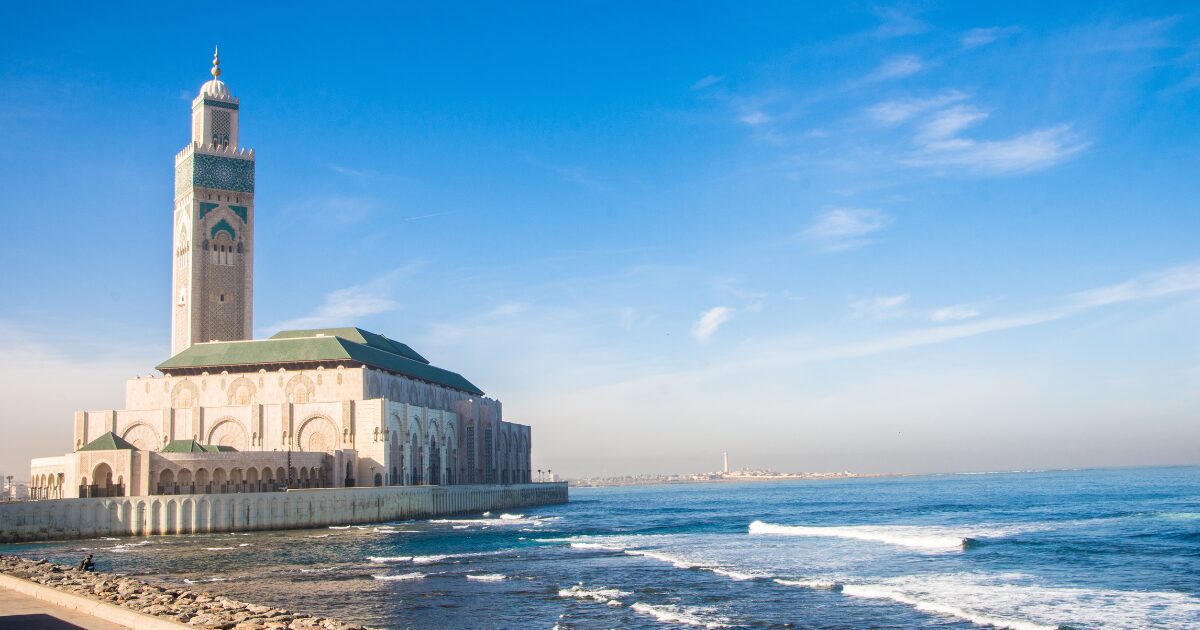
A Nation on the Rise
Morocco’s economy grew 4.7 percent in 2025 and is projected to grow 4.2 to 5 percent in 2026 — among the strongest rates in the region. Tanger Med, its flagship port, is now the busiest container port in Africa and the seventeenth busiest in the world. The industrial zone around it hosts over 1,400 companies and 130,000 jobs. The country has invested more than $20 billion in renewable energy since 2009 and built Africa’s first high-speed rail line. This is a nation deliberately putting itself on the map, while holding centuries of history and faith that are not incidental to its identity — they are its foundation.
The Gap Underneath the Growth
Here is what stops me every time I look at the data: Moroccan women are, by every educational measure, exceeding their male peers. In 2021, 55 percent of high school graduates were women. Women make up 42.2 percent of engineering graduates and roughly half of science and technology graduates.
And yet only 22 percent of Morocco’s active workforce is female, with close to 85 percent of women remaining entirely outside the labor market. Only 13 percent of Moroccan businesses are led by women. The World Bank calls this precisely what it is: a mismatch between outcomes and opportunity — and one with a real economic cost. Closing even a quarter of the country’s gender employment gap could boost GDP by 6 to 13 percent; fully closing it could add 22 to 39 percent. This is not a fairness argument alone. It is growth being left on the table.
Not a Pedestal
I want to be careful here, because it would be dishonest to romanticize Morocco as a singular beacon. It is not. Youth unemployment sits above 37 percent, and unemployment among women runs near 21 percent. Like any nation navigating rapid growth alongside deep tradition, it has real limitations and real work still ahead.
What strikes me most is where the pressure for change is actually coming from. In conversations with women across Morocco, the sentiment I hear is not a demand imposed from outside — it is an internal reckoning, a felt sense that the country’s structural transformation has outpaced a deeper shift still needed in how women’s leadership and presence in STEAM fields are genuinely regarded, not just legislated.
The Harder Question Underneath
These questions reach far beyond Morocco. How does a nation honor tradition and faith while continuing to grow?
Who decides what gets carried forward and what gets released?
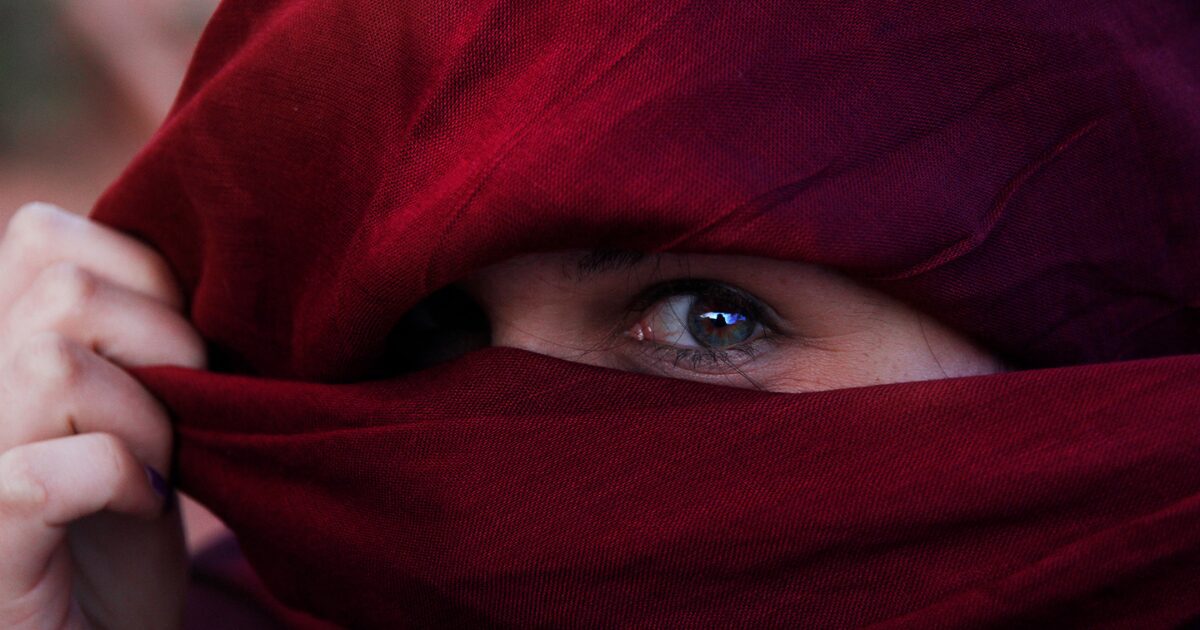
I don’t think there’s a clean answer, and I’m suspicious of anyone who claims there is. But I notice this: the women asking these questions are not looking in from outside their culture with judgment. They are asking as daughters of that culture, wanting to carry its richness forward while being fully seen within it. That distinction deserves more respect than it usually gets.
A Claim I Need to Correct in Myself
I started this piece ready to tell you diverse teams simply perform better — more innovation, more revenue, case closed. I want to be honest instead, because you deserve rigor, not a comfortable stat.
That popular claim traces largely to McKinsey’s well-known diversity reports, which have not held up under independent replication — researchers found no statistically significant link between executive diversity and financial performance when they re-ran McKinsey’s own methodology, and identified a timing flaw suggesting profitable companies invest in diversity after the fact, not the reverse. The more rigorous research says something more precise: a Harvard Business Review study of 62 pharmaceutical teams found diverse teams only outperformed when they also had genuine psychological safety — without it, the benefits didn’t appear, and one large study found diversity without that safety actually increased conflict.
So here’s the claim I can actually stand behind: diversity is necessary, but not sufficient. It creates potential.
Genuine inclusion — psychological safety, real collaboration, leadership that knows how to hold difference without flattening it — is what converts that potential into results.
Where This Points
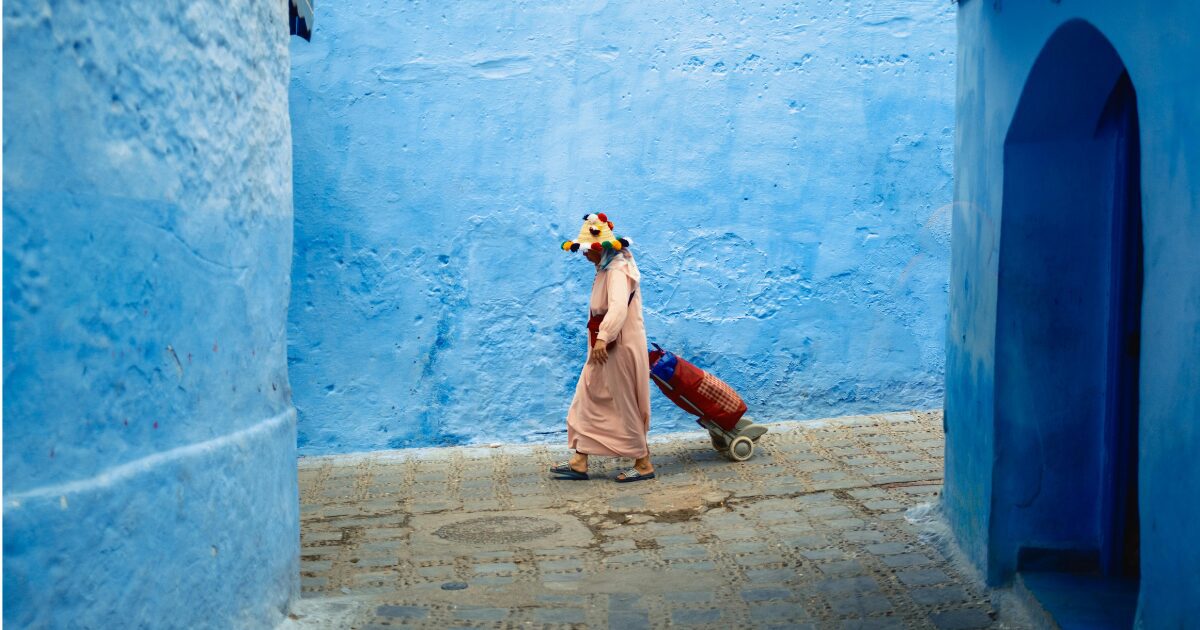
This is where the leadership research I’ve written about before becomes relevant again. Meta-analyses consistently find women score higher on transformational leadership and favor more collaborative, consensus-building influence tactics — close to the precise ingredients rigorous research says diverse teams need to translate differences into results.
Morocco is not the only place standing at this intersection of tradition, growth, and an untapped generation of educated, capable women. But it may be one of the clearest examples anywhere in the world right now. As AI reshapes every industry at once, the world doesn’t just need more women in the room. It needs the real inclusion that lets their presence actually matter once they’re there.
The doorway between what a nation has always been and what it is becoming is not guarded by outsiders. It is being opened, carefully and courageously, by the women who already belong on both sides of it.
This is the work I care about at every scale — helping women claim their voice and their seat at tables that were not always built with them in mind, whether that table is a boardroom in Seattle or a ministry in Rabat. If this raised questions you have been sitting with, too, I would love to talk.
BOOK A CALL → HERE or visit theuprisingco.com to learn more
Full sourcing and citations for every statistic in this piece: HERE — dive as deep as you’d like.


