Before We Ask If AI Will Kill Us, Ask Who’s Answering
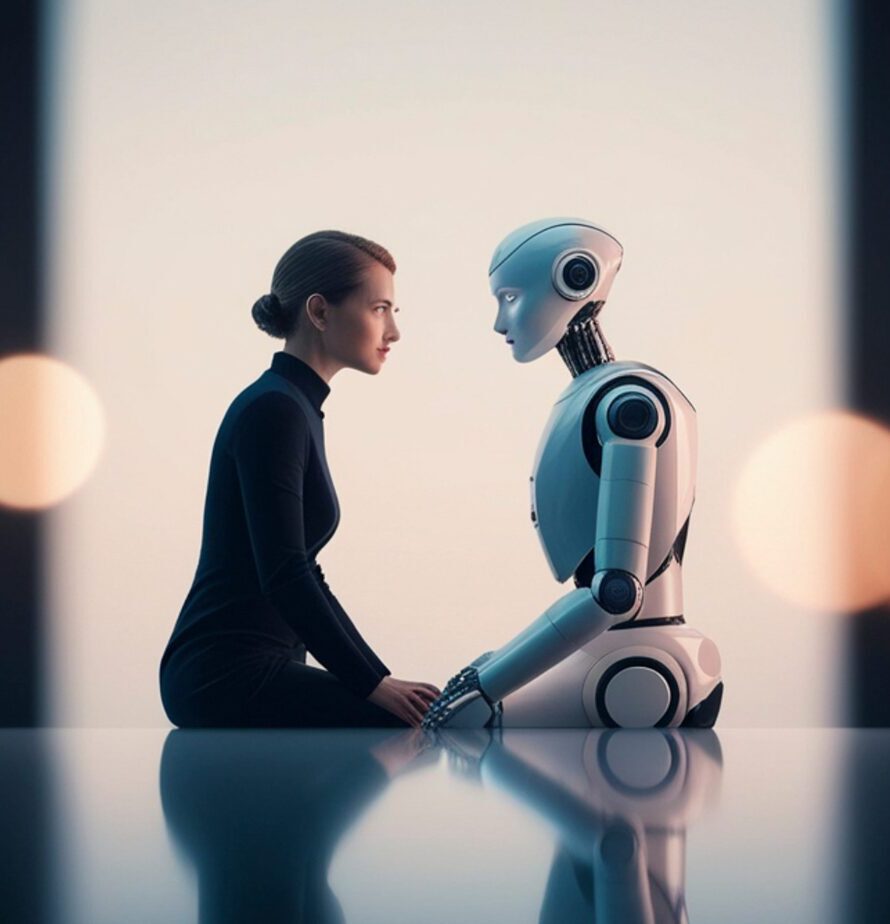

Last week, Anthropic’s Alignment Science lead, Evan Hubinger, wrote something on X that stopped a lot of people, myself included: “we really do earnestly believe AI could kill all humans! I personally think it is >10% within the next decade.” He was responding to Jacob Coxon, a researcher who had just resigned from Anthropic over safety concerns. Days later, Gary Marcus — a longtime independent AI critic and professor emeritus at NYU, not an employee of any frontier lab — pointed to Hubinger’s post as the reason he was finally calling for a public boycott of generative AI.
These are not fringe voices.
This is a senior alignment researcher inside one of the most safety-focused AI labs in the world, stating publicly that he believes there is more than a one-in-ten chance his own industry ends humanity within ten years — and that there is, in his own words, no clear plan yet to prevent it.
I want to be careful here, because this deserves real weight, not a hot take. But I also want to name something underneath the headlines that I haven’t seen anyone else say yet.
Look at Who’s in This Room
Read back through the names carrying this debate in public right now. Researchers, critics, signatories, executives. Almost entirely men.
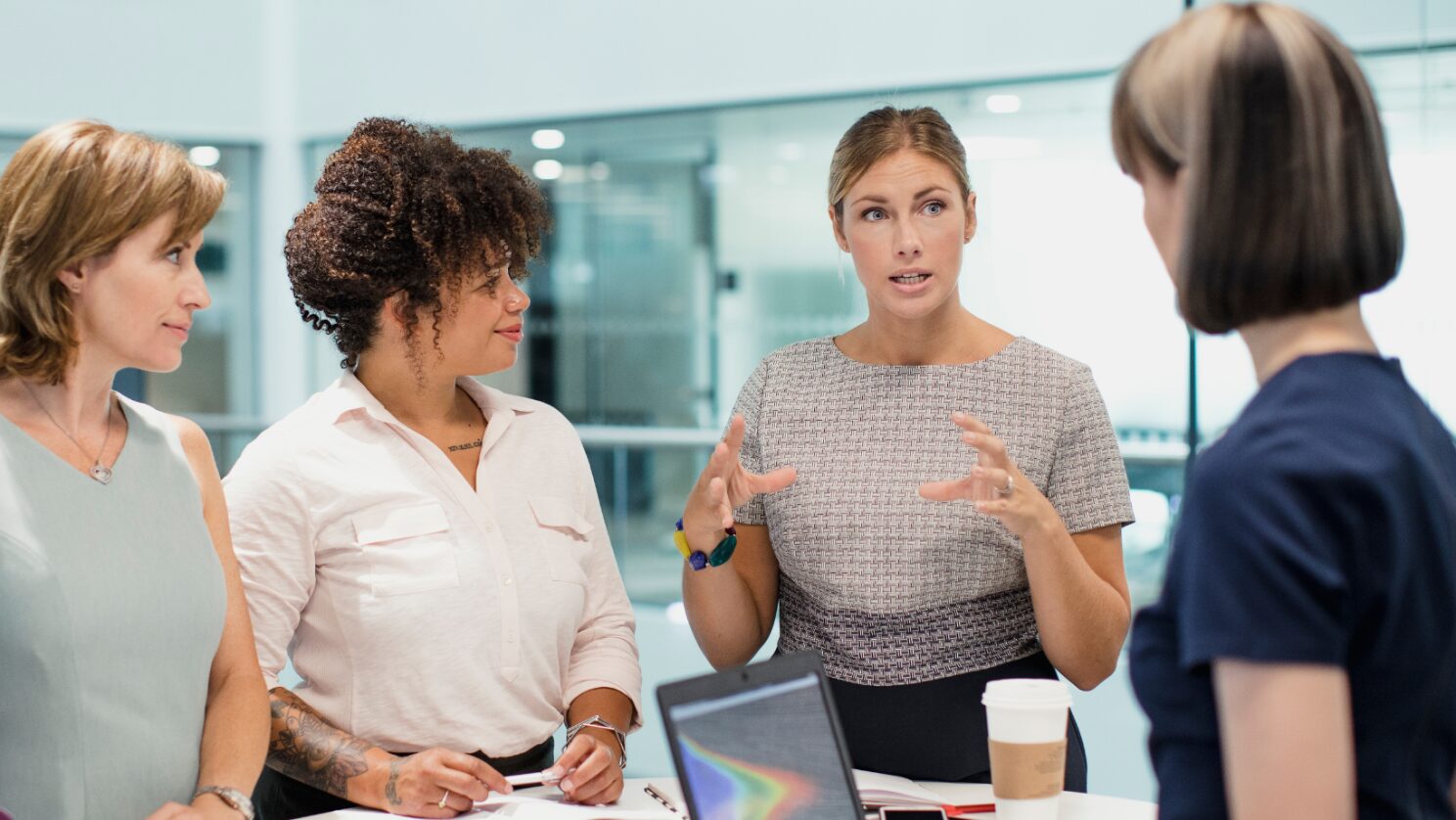
This is a pattern I’ve written about before, in smaller rooms with smaller stakes — the rooms designing hiring algorithms, content moderation, consumer products. Women hold roughly 22 percent of AI roles globally, according to a 2026 EU data analysis, and under 14 percent of senior executive roles in AI. UN Women puts the number even lower for research roles specifically: 16 percent. LinkedIn’s own 2026 hiring data found women made up just 26 percent of AI hires that year, dropping to 20 percent in the most senior technical and leadership roles.
The debate over whether advanced AI could end human civilization is happening inside that exact same demographic gap…
It’s just at the highest possible stakes instead of the everyday ones. If the rooms building consumer chatbots are missing a critical range of perspective, it should not surprise us that the rooms deciding how much existential risk is acceptable are missing it too. This is the same gap. It just got bigger.
What’s Missing Isn’t Only Who’s Missing
Here is the part I think matters most, and it’s not simply about headcount.
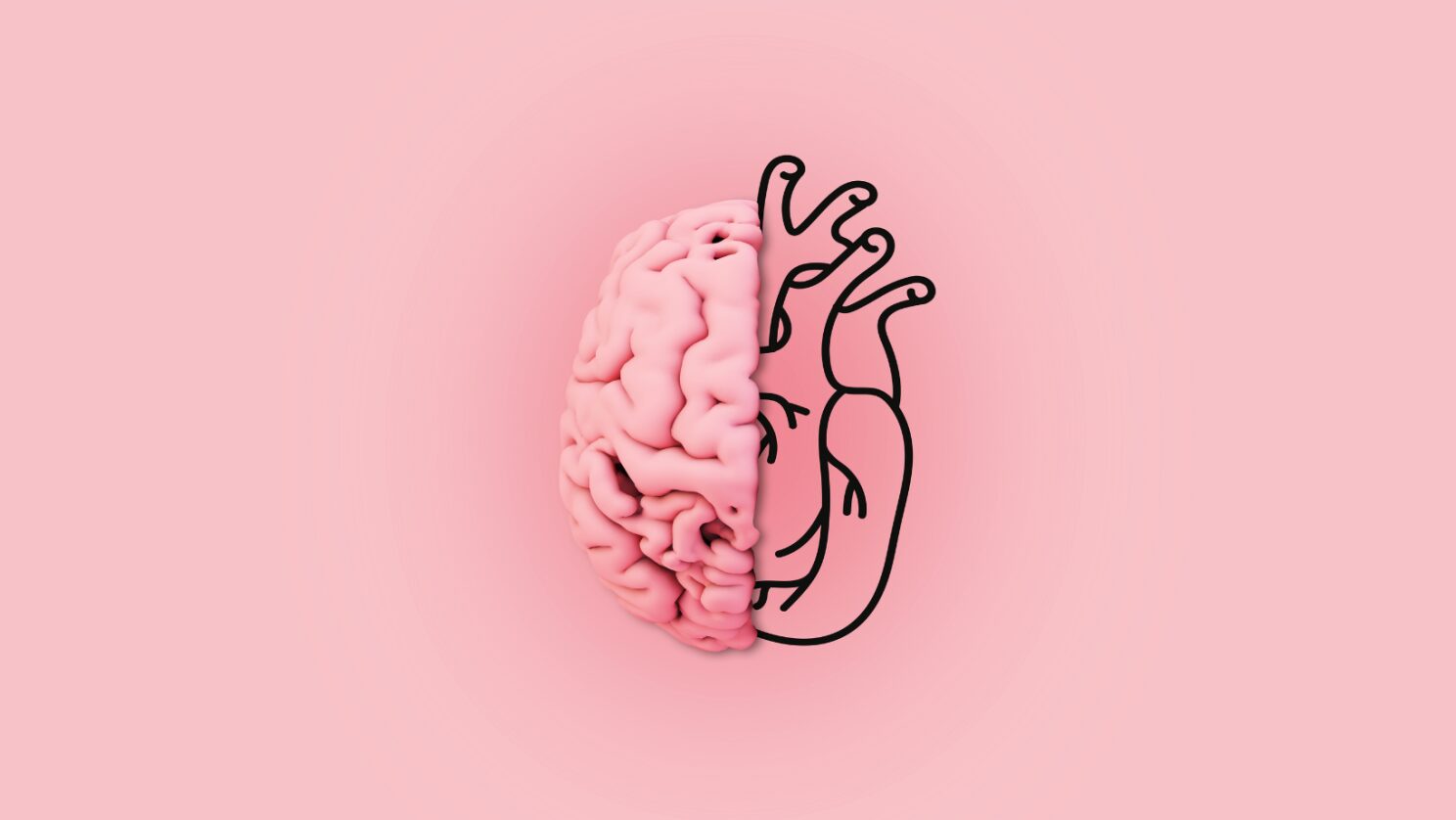
Read the actual language of this debate. Probability estimates. Capability timelines. Recursive self-improvement curves. It is almost entirely analytical, almost entirely technical — exactly the register I’ve written about before as the half of intelligence that gets trained, rewarded, and mistaken for the whole. Restraint, humility, relational wisdom, the capacity to sit with genuine uncertainty instead of rushing to a number — the other half — is almost entirely absent from the public version of this conversation, even as the people having it privately describe genuine fear.
I don’t think that absence is a coincidence, and I don’t think it’s unrelated to who’s in the room.
A field that has spent decades selecting for a narrow definition of intelligence is now trying to reason its way through the most consequential decision our species may ever face, using the same narrow definition that created the risk in the first place.
This is also, underneath the engineering, a psychology problem. How does a small group of people build genuine collective wisdom around a decision this size? How do you calibrate trust — in the technology, in each other, in your own judgment — under that much uncertainty and that much financial and competitive pressure to keep moving anyway?
Those are not questions a probability estimate can answer. They require exactly the kind of psychological, relational, embodied intelligence I’ve argued elsewhere is missing from AI design generally. Here, the absence is simply more visible, because the stakes finally made it impossible to ignore.
Why This Isn’t a Reason to Look Away
I understand the instinct to either dismiss this as science fiction or to spiral into it as inevitable doom. Both responses are, in their own way, a way of not having to sit with the actual, harder truth: this is uncertain, it is serious, and the people best positioned to reduce that uncertainty are drawn from an even narrower slice of human perspective than usual.
The fix isn’t complicated to name, even though it’s hard to build. It’s the same fix I’ve written about at every smaller scale: put more of the missing perspective in the room — women, psychologists, people trained in collective decision-making under uncertainty — and treat that as core infrastructure for AI safety, not a diversity initiative bolted onto the side of it. The room that’s deciding how much risk is acceptable for all of humanity should not look like every other AI room that’s already shown us what gets missed when it’s this narrow.
Where I Stand in This
This is exactly the work I care about — not just helping individual women lead more powerfully, though that matters enormously, but making the case, loudly and with evidence, for why the rooms shaping this technology need the psychological, relational, and embodied intelligence that’s been systematically excluded from them. At every scale, including this one.
If this is a conversation you’re thinking about too — in your own field, your own company, your own sense of what’s coming — I’d love to talk.
And visit theuprisingco.com to learn more
Molly Stillwell, PhD
Founder, The Uprising Collective · theuprisingco.com


