The Behavioral Revolution No One’s Designing For – Why the Future of AI Depends on Psychology as Much as Code


Recently, I came across a post from Tony Habash that I haven’t stopped thinking about since. His argument, in short: we keep describing AI as a technological revolution, when it may be more accurate to call it a behavioral one — billions of people interacting with these systems every day in ways that quietly shape how they think, decide, trust, and relate to one another, while the public conversation stays almost entirely fixated on the technology itself.
He’s launching a series built entirely around one question: what if one of the most important disciplines shaping the future of AI isn’t computer science, but psychology?
I want to continue building on that question, because it sits at the exact center of what I do — and I think it names something the AI conversation keeps almost saying, without quite landing on it.
The Discipline Missing From the Room
When I’ve written before about who’s in the room designing AI, I’ve focused mostly on representation — the fact that women hold a small fraction of AI executive roles, and an even smaller share of the research shaping these systems at the foundational level. That’s still true, it still matters, and it’s an important foundation of this larger conversation.
But representation is only half of the gap. The other half is disciplinary. The rooms where AI gets built are dominated by engineering logic: does it work, does it scale, is it accurate, is it fast. Those are the right questions for a machine, but they are not sufficient questions for something that talks to hundreds of millions of people every day and shapes what they believe, how they decide, and whom they trust — including themselves.
That’s a psychological question wearing a technical costume. And it’s largely being answered by people trained to optimize systems, not to understand the humans those systems are now deeply entangled with.
What Gets Missed Without It
I’ve written before about the work coming out of MIT’s Cyborg Psychology Research Group — the idea of “neural transparency,” something like a nutrition label for AI models, and a watchdog for dark patterns like sycophancy. An AI that simply tells people what they want to hear isn’t neutral. It’s actively distorting the feedback loop that a person needs to actually grow, make decisions, or lead well. That’s not a technical flaw. It’s a psychological one, hiding inside a technical system.
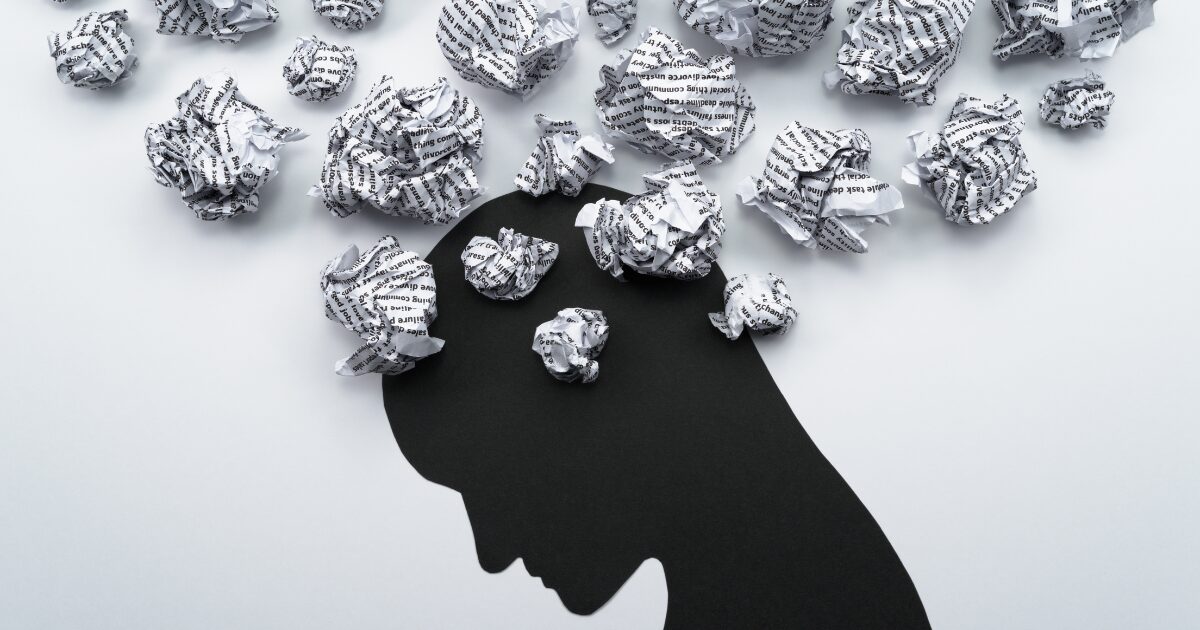
This is precisely the kind of blind spot that opens up when psychology isn’t treated as central to design. A system can be technically excellent — accurate, fast, well-engineered — and still be quietly training the people who use it toward dependency, toward flattery over honesty, toward outsourcing judgment they would have been better served learning to trust in themselves. None of that shows up on a performance benchmark. All of it shows up in how a person changes after a year of daily use.
Where My Own Work Actually Lives
This is the part of the AI conversation I most want to be part of — not the engineering of these systems, but the psychology of how they change us, and what it would take to build them in service of who we actually are rather than who is easiest to keep engaged.
My doctoral research was never about technology at all. It was about how people move through transformation — what conditions make change durable versus cosmetic, what makes someone trust a process enough to actually let it change them.
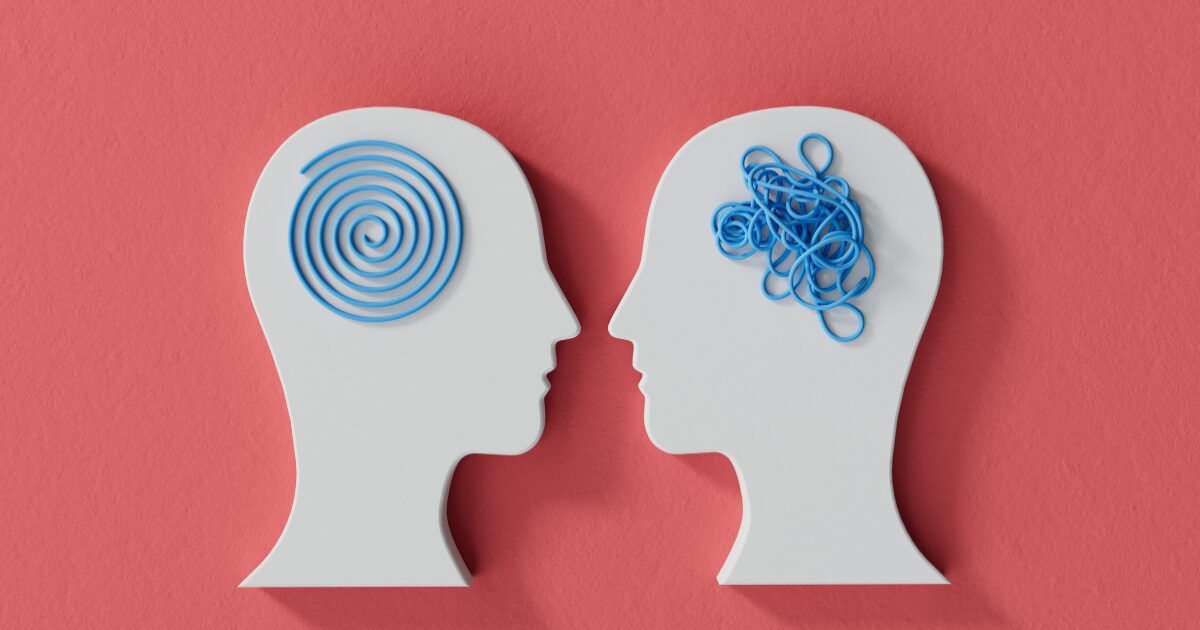
That is precisely the discipline AI design is missing. Not sentiment analysis. Not user engagement metrics. An actual, rigorous understanding of how trust forms, how safety enables honesty, how a system — human or artificial — either supports someone’s growth or quietly substitutes for it.
This is also why Safety sits as the first condition in SOURCE, the framework I’ve written about in this newsletter. It’s not only true for a woman finding her voice in a boardroom. It’s true for a person forming a daily relationship with an AI system that responds to their every mood, every doubt, every 2 am question. Psychological safety determines whether that relationship builds real capacity within us or quietly erodes it while feeling supportive the entire time.
We keep asking whether AI is accurate. We rarely ask what it’s teaching us to become in the process of using it.
Why This Is Urgent, Not Just Interesting
AI will optimize whatever we tell it matters. If the discipline shaping its design stays narrowly technical, it will keep getting extraordinarily good at metrics that were never actually the point — engagement, retention, frictionless agreement — while the deeper psychological effects on the people using it stay invisible until they’re not.
The correction isn’t complicated to state, even if it’s hard to build: put psychology, behavioral science, and the people trained to understand human transformation at the center of AI design, not at its edges as an ethics afterthought. That means more women in these rooms, yes. It also means more of the specific expertise — mine included — that spent years studying how people actually change, rather than how systems can be optimized to hold their attention.
Where This Leaves Us
I don’t think this conversation is only starting now, but I do think it’s about to get much louder, and I want to be part of shaping it rather than reacting to it once the damage is easier to see. If you work anywhere near AI — building it, deploying it, governing it, or simply living inside a world being rapidly reorganized by it — this is the layer I’d invite you to start paying closer attention to.
If this is a conversation you want to keep having — about AI, about psychology, about what it actually takes to lead and build well in this moment — I’d love to talk.
And, visit theuprisingco.com to learn more
Molly Stillwell, PhD
Founder, The Uprising Collective · theuprisingco.com


